
Who Is a Good Candidate for Nanofat? A Guide to Regenerative Aesthetics for Aging Skin
As aesthetic medicine continues to evolve, many patients are looking beyond traditional fillers and exploring treatments that work with the body’s natural healing processes. One of the most exciting developments in regenerative aesthetics is nanofat transfer, a treatment that uses your body’s own fat-derived regenerative cells to improve skin quality, support collagen production, and encourage healthier-looking skin over time.
Unlike treatments that simply add volume, nanofat focuses on rejuvenating the skin itself. But who is the ideal candidate for this innovative approach to facial rejuvenation? From the team at Des Moines Plastic Surgery, here are valuable insights into who can benefit from this advanced regenerative treatment.
What Is Nanofat Transfer?
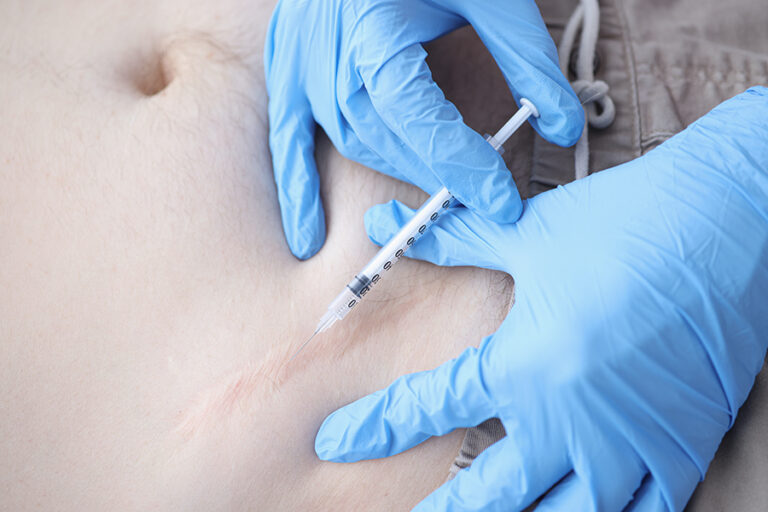
Nanofat transfer begins with a small amount of fat harvested from an area of the body where excess fat naturally exists. The fat is then carefully processed into an ultra-refined solution containing regenerative cells and growth factors that can be used to improve skin quality rather than restore volume.
Unlike microfat, which is commonly used for contour enhancement and volume restoration, nanofat is designed to improve skin texture, tone, elasticity, and overall tissue health. The result is a regenerative treatment that encourages the skin to heal and rejuvenate itself from within.
Patients Concerned About Aging Skin
One of the most common reasons patients seek nanofat treatment is age-related skin changes.
You may be a good candidate if you have noticed:
- Fine lines and wrinkles
- Crepey skin
- Diminished skin elasticity
- Changes in skin texture
- Loss of overall skin quality
Because nanofat helps stimulate collagen remodeling and tissue regeneration, it can be an attractive option for patients who want to improve the quality of their skin rather than simply fill wrinkles.
Patients Seeking Natural Rejuvenation
Many aesthetic treatments rely on synthetic products to create improvement. Nanofat is different because it utilizes your own tissue.
Patients who prefer a more natural approach often appreciate that nanofat:
- Uses their own fat-derived regenerative cells
- Does not rely on synthetic fillers
- Supports the body’s natural healing processes
- Produces gradual, natural-looking improvement
For individuals who want rejuvenation without looking overdone, regenerative treatments can be particularly appealing.
Patients with Under-Eye Concerns
The under-eye area can be one of the most difficult regions to treat because the skin is thin and delicate.
Nanofat may be considered for patients experiencing:
- Thin under-eye skin
- Dark discoloration
- Early crepiness
- Skin quality concerns around the eyes
Rather than creating volume, nanofat focuses on improving the quality and health of the tissue itself, making it a valuable option for select patients seeking under-eye rejuvenation.
Patients with Scars or Skin Texture Irregularities
Another group that may benefit from nanofat includes patients seeking improvement in certain scars and textural concerns.
Nanofat has been used to support the appearance of:
- Acne scars
- Surgical scars
- Traumatic scars
- Uneven skin texture
Because regenerative cells help support tissue remodeling, patients often experience gradual improvements as healing progresses.
Patients Interested in Regenerative Aesthetics
Regenerative aesthetics focuses on improving the health and function of tissue rather than simply masking concerns.
Patients who are drawn to regenerative treatments often want:
- Long-term skin improvement
- Enhanced collagen production
- Healthier skin quality
- A proactive approach to aging
- Treatments that work with the body’s biology
Nanofat aligns closely with these goals because its benefits develop gradually as the skin responds to the regenerative components contained within the transferred tissue.
Who May Not Be the Best Candidate?
While nanofat can provide remarkable benefits, it is not the ideal solution for every concern.
Patients seeking:
- Significant volume restoration
- Dramatic contour enhancement
- Immediate volumizing effects
may be better served by microfat transfer, dermal fillers, or a combination approach. During consultation, Dr. David Robbins evaluates each patient’s anatomy, goals, and skin quality to determine the most appropriate treatment plan.
The Importance of Personalized Treatment Planning
One of the most exciting aspects of nanofat is its versatility. It can be performed as a standalone treatment or combined with other rejuvenation procedures, including facelift surgery, laser resurfacing, microneedling, or platelet-rich plasma (PRP) therapy.
Because every patient ages differently, successful treatment requires a customized approach rather than a one-size-fits-all solution. Learn more about nanofat and fat transfer procedures.
Schedule a Consultation and Find Out If Nanofat Is Right for You
If you are interested in improving skin quality, supporting collagen production, and exploring the benefits of regenerative aesthetics, nanofat transfer may be an excellent option.
At Des Moines Plastic Surgery, quadruple board certified plastic surgeon, Dr. David Robbins uses advanced fat transfer techniques to help patients achieve healthier, more youthful-looking skin through natural regeneration. Schedule a consultation in West Des Moines or Ankeny to learn whether nanofat may be the right addition to your personalized facial rejuvenation plan.