What to Expect From a Tummy Tuck in Des Moines: Recovery, Results, and Who Makes a Good Candidate
Quick Answer: A Tummy Tuck removes excess abdominal skin, repairs separated abdominal muscles, and reshapes the midsection into a flatter, firmer contour. Ideal candidates are at a stable weight, in good health, and finished having children. The procedure is performed at Des Moines Plastic Surgery by Dr. David Robbins, MD, Iowa’s only quadruple board-certified plastic surgeon.
Why Patients Consider a Tummy Tuck
Most patients considering a Tummy Tuck Des Moines have already tried diet and exercise to address the changes pregnancy, aging, or significant weight loss left behind. No amount of core training can repair separated abdominal muscles, and no fitness plan will retract skin that has permanently lost its elasticity. Abdominoplasty is the procedure designed for exactly that situation.
Patients arrive at this decision for distinct reasons. For some, it is post-pregnancy body changes that persist long after nursing ends, particularly a stretched midsection and loose abdominal skin that will not respond to core work. For others, it is the aftermath of significant weight loss, where the body has changed but excess skin remains. For many, it is simply the accumulation of aging and time. What the paths have in common is that non-surgical options have already been exhausted, and the patient is ready to consider a body contouring surgery that produces lasting change.
What Abdominoplasty Actually Does
The procedure has three components that work together. The surgeon removes excess skin from the lower abdomen. The underlying rectus muscles, which frequently separate during pregnancy or after significant weight fluctuation, are repaired using permanent internal sutures that pull the muscle wall back together down the midline. The remaining skin is then redraped over the tightened structure and closed with careful attention to scar placement.
The abdominal muscle repair is what makes a tummy tuck a functional procedure rather than purely cosmetic. Patients with diastasis recti often report improvements in core strength, posture, and even lower back pain after the muscle wall is restored. According to the American Society of Plastic Surgeons, abdominoplasty consistently ranks among the highest patient-satisfaction body procedures, largely because the results address both appearance and function.
Benefits Beyond Appearance
The visible contour change is what draws most patients to consider a tummy tuck, but the practical benefits often surprise them. The muscle repair provides improved core support, which many patients notice within weeks of clearance to resume activity, and it can meaningfully improve posture and reduce the lower back strain that often accompanies weakened abdominal muscles.
Clothing fits differently after the procedure. Patients frequently report that pants button comfortably for the first time in years, and that fitted clothing lays smoothly rather than pulling or bunching. Increased confidence follows naturally, both in daily wardrobe choices and in situations that previously felt limiting. Physical activities also become more comfortable, from workouts to activities as simple as playing with children or grandchildren without the discomfort that loose skin and muscle laxity can cause.
Who Makes a Good Candidate
The strongest candidates share three traits: stable weight for at least six to twelve months, good general health, and realistic expectations. A tummy tuck is not a weight management treatment. It produces the best results when patients are at or near their goal weight before surgery.
Being finished with children is another core consideration since pregnancy after abdominoplasty can stretch the repaired muscle wall and alter the result. Patients who smoke, have unmanaged medical conditions, or are still actively losing weight are typically advised to address those factors first.
Anatomy also matters. Patients with a moderate amount of loose abdominal skin and clear muscle separation are ideal candidates for a full abdominoplasty. Those with only a small amount of loose skin below the navel, and no muscle separation may be better served by a mini tummy tuck, which uses a shorter incision.
Preparing for Surgery
Weight stability in the months before surgery protects the surgical result. Nicotine in any form must be stopped at least four to six weeks before surgery since it constricts blood vessels and significantly compromises wound healing. Certain medications and supplements, particularly blood thinners, are typically paused per the surgeon’s instructions.
Logistics matter, too. Arranging help at home for the first week is essential, since lifting, bending, and standing for extended periods are restricted. Preparing a comfortable recovery space and stocking easy-to-prepare meals reduces stress during early recovery.
Recovery Timeline: What Actually Happens Week by Week
The first week is focused on rest and protecting your surgical results. Patients wear a compression garment, walk short distances several times a day to prevent blood clots, and stay in a slightly bent position to protect the abdominal repair. If surgical drains are used, they are typically removed within the first one to two weeks as healing progresses. Discomfort during this period is well-managed with prescribed medication.
Week two brings visible improvement. Most patients transition from prescription pain medication to over-the-counter pain relief, begin walking upright, and return to desk-based work by the end of week two. Swelling and bruising are expected during the first couple of weeks and gradually improve as healing progresses.
Weeks three through six mark the return to normal daily activity, with gentle exercise such as walking and stationary cycling added around week four. By weeks six to eight, most patients are cleared for full exercise, including core work. While most restrictions are lifted by this point, subtle swelling can continue to improve for several months, making patience an important part of the healing process. Final results settle between three and six months as residual swelling resolves, and the tissues complete their adjustment.
Combining a Tummy Tuck With Other Procedures
Many patients considering a tummy tuck are also weighing breast surgery, liposuction, or thigh contouring as part of a broader plan. Combining procedures into a single surgical event, often called a Mommy Makeover, allows for one anesthesia, one coordinated recovery, and a more balanced overall result.
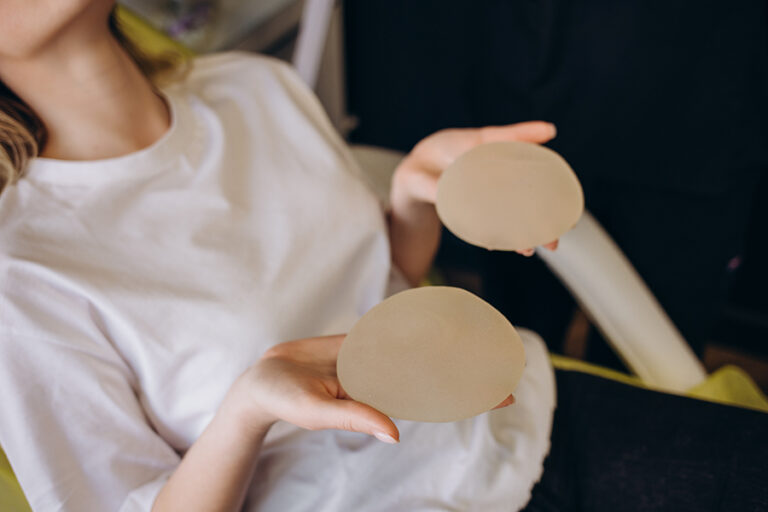
Liposuction is the most commonly paired procedure. A tummy tuck addresses loose skin and muscle separation but does not directly reduce localized fat pockets in the flanks, hips, or upper abdomen. Adding liposuction to those areas during the same surgery creates a smoother transition from the treated midsection to the surrounding body, producing a more refined and proportionate contour than a tummy tuck alone. For patients whose concerns extend to the breasts as well, many are also researching the best breast implants near me to restore volume lost after pregnancy, and a Mommy Makeover is a common choice because it addresses the changes to the abdomen and breasts in a coordinated way, on a single recovery timeline. For a full breakdown of what a combined plan can include, see our guide on what’s included in a Mommy Makeover in Des Moines.
For non-surgical maintenance options after surgery, such as skin tightening or laser resurfacing to address scar quality, the practice’s sister site, Coachlight Clinic, offers complementary treatments.
How Long Do Tummy Tuck Results Last?
Tummy tuck results are considered long-lasting when supported by stable weight and lifestyle habits. The muscle repair is designed to provide long-lasting support, provided patients maintain a stable weight and avoid future pregnancies that could place significant stress on the abdominal wall. The skin removed during surgery does not grow back.
Significant weight fluctuation can stretch the abdominal wall and reduce the crispness of the outcome. Pregnancy after abdominoplasty can separate the repaired muscle wall, which is why the procedure is typically recommended after family planning is complete. Patients who maintain a stable weight and are finished with childbearing generally enjoy their results for many years.
A peer-reviewed evidence-based review published in the Aesthetic Surgery Journal analyzed abdominoplasty outcomes and confirmed that when procedures are matched to patient anatomy and goals, satisfaction across appearance, physical function, and quality of life remains consistently high across long-term follow-up.
Scar Management After Surgery
Scars are the trade-off for the significant contour improvements a tummy tuck provides. The main incision runs along the lower abdomen, placed low enough to sit below most underwear and swimwear. Scars fade significantly over the first year with proper care.
Scar care starts once incisions have fully closed, typically around weeks three to four. Silicone scar therapy, in the form of medical-grade silicone strips or gels, is the most evidence-supported at-home treatment and produces the best results with consistent daily use over three to six months. Sun protection is equally important since UV exposure during the first year of healing can permanently darken scar tissue.
Common Questions
How painful is a tummy tuck? Most patients describe the first few days as feeling tight and sore rather than sharply painful. Discomfort is typically well-managed with prescribed medication, and by the end of the first week, many patients have transitioned to over-the-counter pain relief.
When can I return to work?
Desk-based work is realistic at two weeks. Physically demanding work often requires four to six weeks.
Will I need drains?
If surgical drains are used, they are typically in place for one to two weeks to help prevent fluid buildup during early healing.
Can I combine a tummy tuck with liposuction? Yes. Liposuction of the flanks or upper abdomen is frequently combined with abdominoplasty for a more refined overall contour.
Is a tummy tuck covered by insurance?
Abdominoplasty is considered cosmetic and is not covered by insurance. Financing options are available through the practice.
How do I find qualified abdominoplasty surgeons near me?
Look for board certification, accredited surgical facility privileges, extensive body contouring experience, and clear before-and-after documentation of past cases.
Why Patients Choose Des Moines Plastic Surgery
Every tummy tuck at Des Moines Plastic Surgery is planned around the individual patient. Procedures are performed in an AAAASF-accredited surgical facility, reflecting the high standards for safety, sterilization, and patient care. During consultation, Dr. Robbins reviews anatomy, discusses realistic outcomes, and outlines a clear plan covering surgical approach, recovery, and long-term expectations. Patients also benefit from detailed pre-operative education and attentive follow-up care, helping them feel informed and supported throughout every stage of recovery.
Des Moines Plastic Surgery serves patients across Des Moines, West Des Moines, Clive, Waukee, Urbandale, Ankeny, and the wider Central Iowa region.
Take the Next Step
A tummy tuck benefits from an in-person evaluation. The consultation at Des Moines Plastic Surgery includes a personalized assessment of skin laxity, muscle separation, overall health, and treatment goals, along with a clear surgical plan and realistic recovery timeline if the procedure is the right fit. Consultations can be requested directly through the Des Moines Plastic Surgery website.